
Field guide · Termination
T568A vs. T568B: pinouts, wiring order, and which one to use
T568A and T568B are the two conductor-order conventions in ANSI/TIA-568 for terminating 4-pair twisted-pair cable on RJ45 plugs, keystone jacks, and patch panels. They differ by exactly one swap — the green and orange pairs trade places — and everything else about the run is identical.
The 30-second answer
- T568B puts the orange pair on pins 1/2 and the green pair on pins 3/6. It is the common convention in U.S. commercial installs.
- T568A reverses that — green on 1/2, orange on 3/6 — and is frequently specified on U.S. federal and residential work.
- Pick one standard per building and use it on both ends of every run. Mixing ends creates a crossover that fails wiremap.
RJ45 pinout: T568A vs. T568B
Pin 1 is on the left when you hold the plug with the contacts facing you and the latch away from you (looking into the front of the plug, clip down, cable pointing away).
| Pin | T568A | T568B | Pair / signal |
|---|---|---|---|
| 1 | White / Green | White / Orange | Pair 3 (BI_DA+) |
| 2 | Green | Orange | Pair 3 (BI_DA−) |
| 3 | White / Orange | White / Green | Pair 2 (BI_DB+) |
| 4 | Blue | Blue | Pair 1 (BI_DC+) |
| 5 | White / Blue | White / Blue | Pair 1 (BI_DC−) |
| 6 | Orange | Green | Pair 2 (BI_DB−) |
| 7 | White / Brown | White / Brown | Pair 4 (BI_DD+) |
| 8 | Brown | Brown | Pair 4 (BI_DD−) |
Pins 4/5 (blue) and 7/8 (brown) are the same in both standards. Only the green and orange pairs swap between pins 1/2 and 3/6.
Keystone jack and patch panel punch-down order
Jacks and panels are labeled by conductor color, not by pin number, and most NTI keystones print both sequences on the body. Left-to-right punch-down order, as printed:
T568A sequence
- 1. White/Green
- 2. Green
- 3. White/Orange
- 4. Blue
- 5. White/Blue
- 6. Orange
- 7. White/Brown
- 8. Brown
T568B sequence
- 1. White/Orange
- 2. Orange
- 3. White/Green
- 4. Blue
- 5. White/Blue
- 6. Green
- 7. White/Brown
- 8. Brown
Termination mistakes that fail a certification test
- Split pairs. Wiring pins in straight color order (white/blue, blue, white/orange…) puts signal pairs across two different twisted pairs. Continuity passes; NEXT and return loss fail. Always follow A or B exactly.
- Untwisting too far back. Keep pair twist to within 13mm (½ in.) of the IDC contacts or plug load bar.
- Mixed standards in one channel. An A jack with a B patch cord reports a crossed pair on the wiremap even when the link still passes traffic.
- Over-stripped jacket. Strip only enough to seat the conductors; excess exposed pair length degrades high-frequency margin on Cat6 at 550MHz.
- No verification. Wiremap every drop. A tester catches a reversed or crossed pair in seconds, before the ceiling closes.
Straight-through, crossover, and rollover
| Cable type | End 1 / End 2 | Use |
|---|---|---|
| Straight-through | B / B (or A / A) | Every normal patch cord and horizontal run |
| Crossover | A / B | Legacy switch-to-switch links without Auto-MDI/X |
| Rollover | Pin order reversed 1–8 to 8–1 | Console cables to router/switch management ports |
Connectors and tooling for either standard
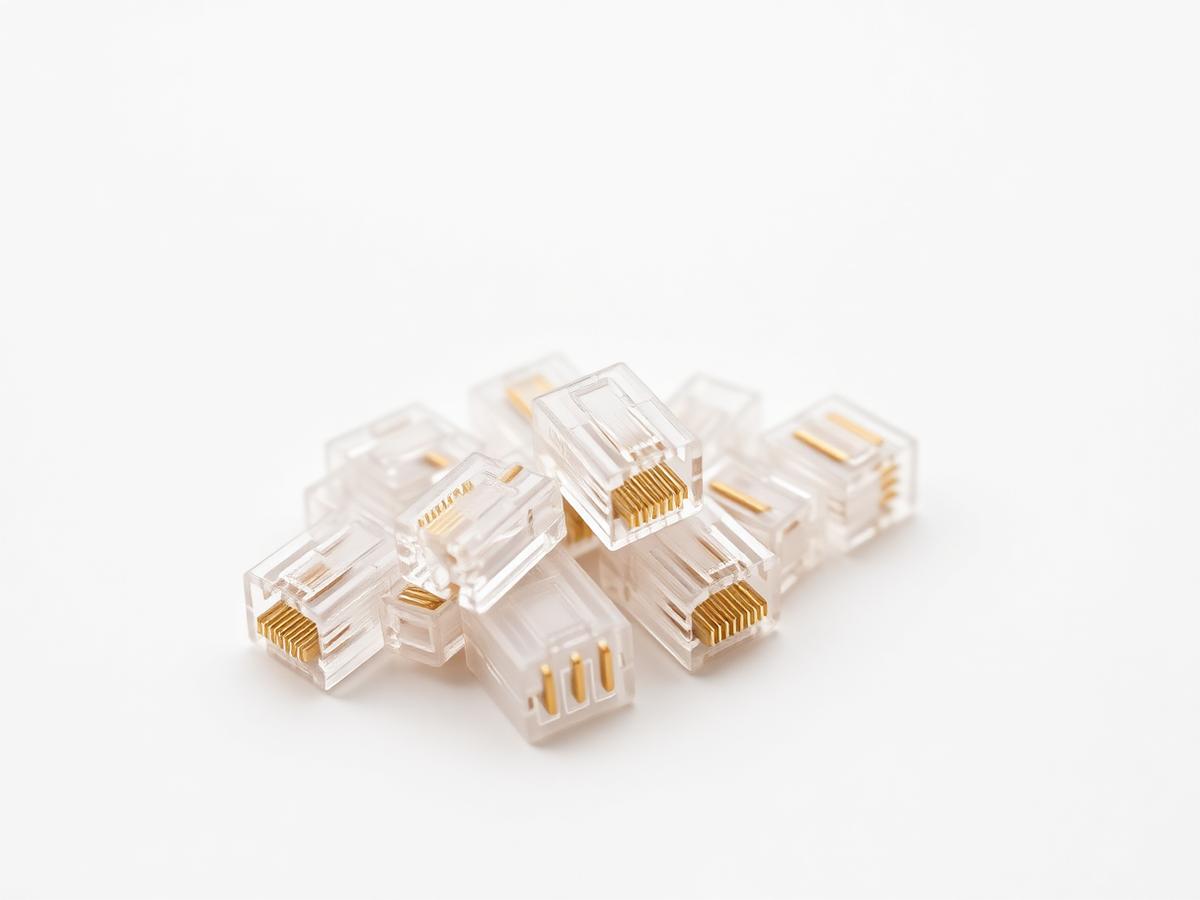
Pass-through plugs make conductor order easy to verify before you crimp, and our keystones print both A and B sequences. Add what you need and we return a firm quote with lead times.
Connectors
Cat6 Pass-Through RJ45 Plugs — 100 Pack
NTI-RJ45-PT-100
Feed-through RJ45 plugs for fast, verifiable Cat6 terminations.
$24.95
per 100 pack
$31.00
In stock · 320 available
Connectors
Cat6 Standard RJ45 Plugs with Load Bar — 100 Pack
NTI-RJ45-STD-100
Two-piece Cat6 plugs with staggered load bar for tight pair geometry.
$19.95
per 100 pack
In stock · 260 available
Tools & Testers
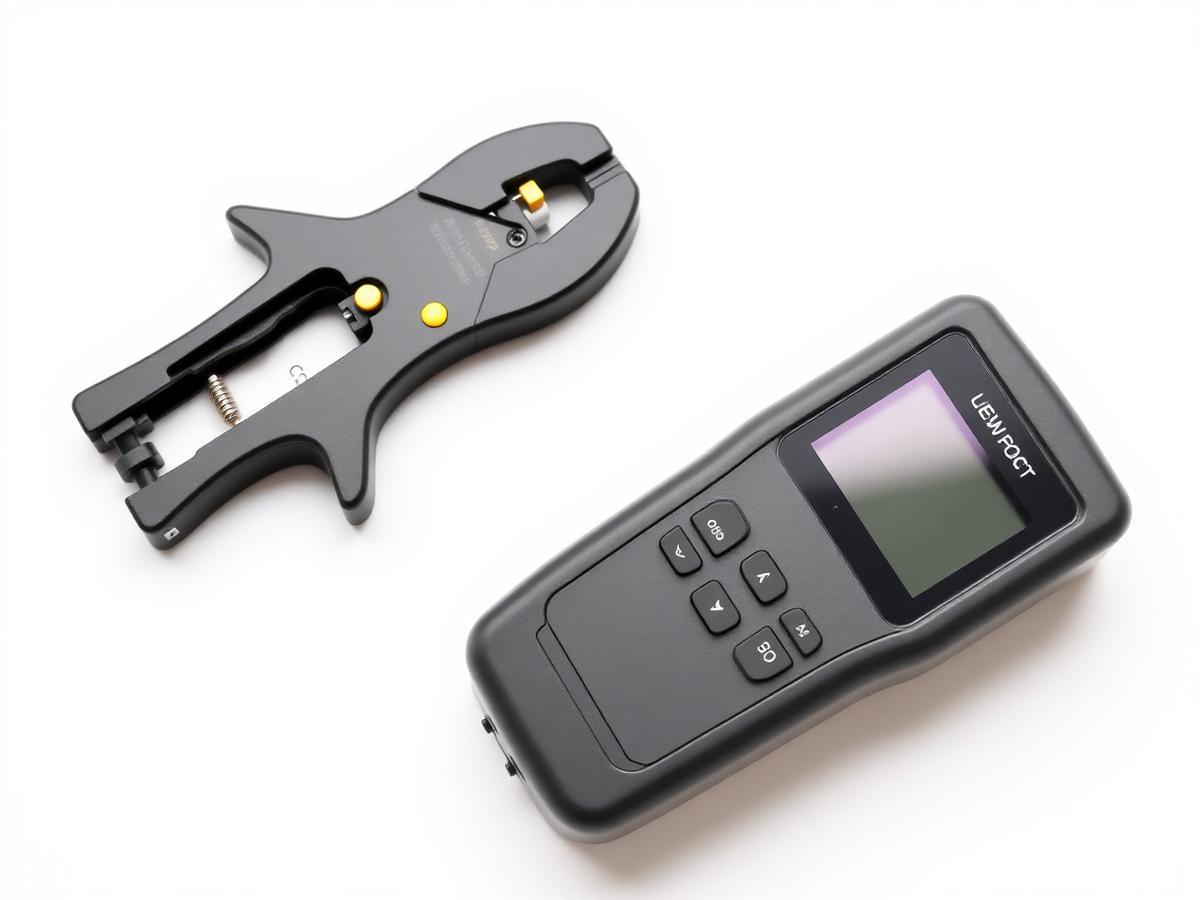
Pass-Through Crimp & Flush-Cut Tool
NTI-TL-CRIMP-PT
Ratcheting crimper that crimps and flush-trims pass-through plugs.
$46.90
per Single
In stock · 74 available
Tools & Testers
Cat6 Continuity & Wiremap Tester with Remote
NTI-TL-TESTER
Wiremap tester with detachable remote for one-tech certification sweeps.
$118.00
per Kit
$139.00
In stock · 27 available
Choosing jacket ratings next? Read Cat6 plenum vs. riser cable.